What is Conductive Education?
Conductive Education is a specialist way of teaching children with movement disorders — such as cerebral palsy — to move more effectively and become more independent. It was developed in Hungary by Professor András Pető, which is why it is also known as the Pető method.
Unlike therapy that focuses only on the body, Conductive Education treats movement as something a child can learn. It brings together physical, thinking and social development in one structured programme, so a child practises a skill — like reaching, sitting or standing — in the context of a real, everyday goal.
Where it sits
Conductive Education is one of the two components of intensive neurological rehabilitation, the model at the heart of Gaitway. It runs alongside neurophysiotherapy as part of one blended programme rather than as a separate appointment.
What it looks like in practice
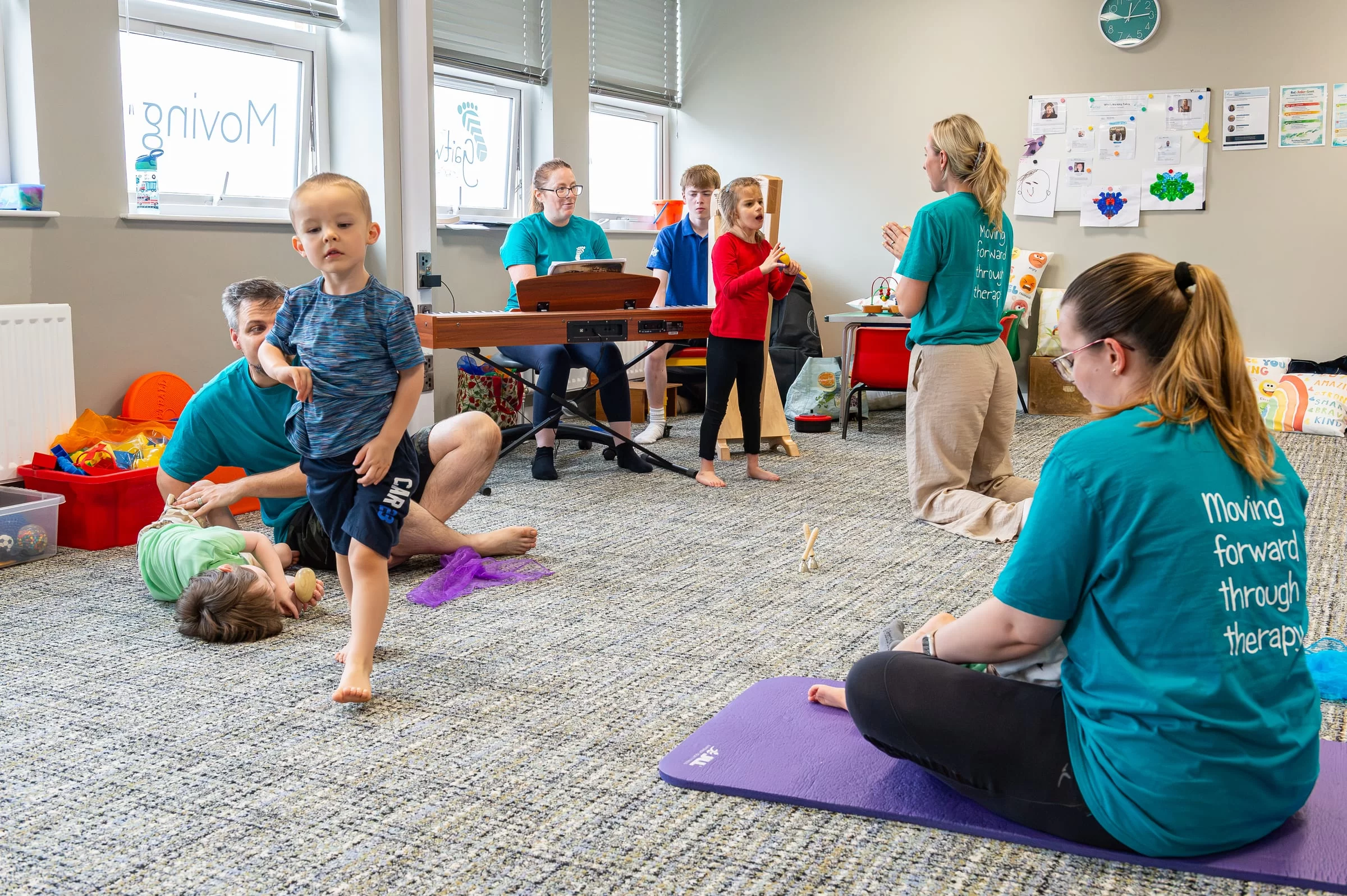
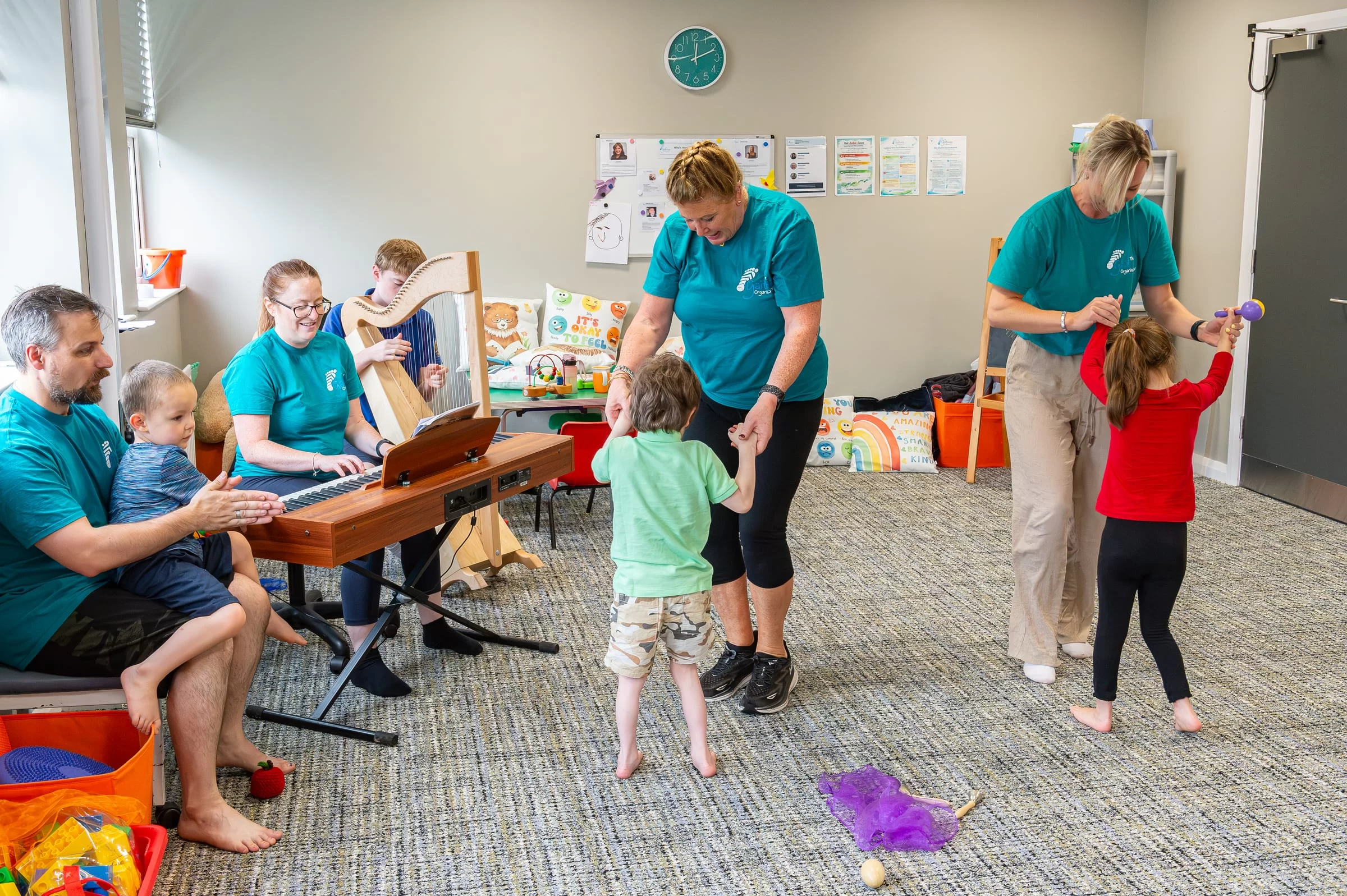
- Goal-focused — built around tasks that matter to your child and family.
- Active, not passive — your child initiates the movement and solves the problem.
- Structured and repeated — the right movements practised often, which is how new skills become lasting.
- Often group-based — children learn alongside others, building confidence and a sense of belonging.
Intensity is what decides the outcome
A 2025 systematic review of 18 Conductive Education studies across 11 countries found that among the more robust studies, 67% reported positive outcomes — and that the difference between programmes that worked and those that did not was how much practice children received. Studies showing gains averaged around 25 hours a week; those showing no effect averaged closer to 18 hours.1
The finding is not that Conductive Education fails. It is that Conductive Education delivered thinly does not produce measurable change — which is why it is delivered here as part of a concentrated programme. The full evidence picture, including the traffic-light ratings, sits with the model.
Why it matters for families
Conductive Education treats your child as a whole person — not just their muscles. Children work towards real, everyday goals (sitting, standing, dressing, joining in), often in a group, which builds confidence and independence alongside physical skill.