What is neurophysiotherapy?
Neurophysiotherapy is physiotherapy that focuses on conditions affecting the brain, nerves and muscles working together — such as cerebral palsy. Where a child’s movement is affected by the way their nervous system developed, a neurophysiotherapist works on movement patterns, posture, balance, strength and coordination.
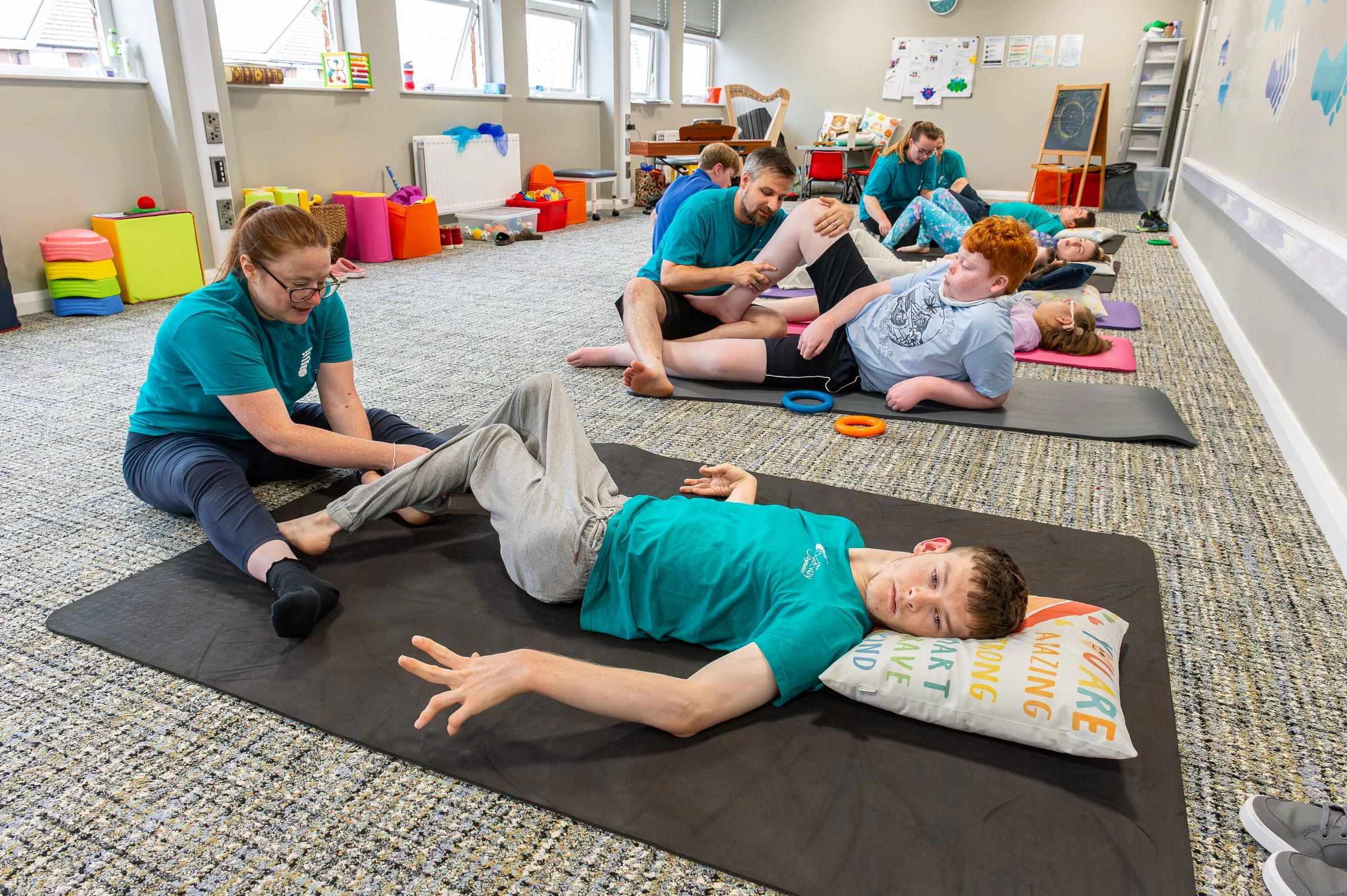
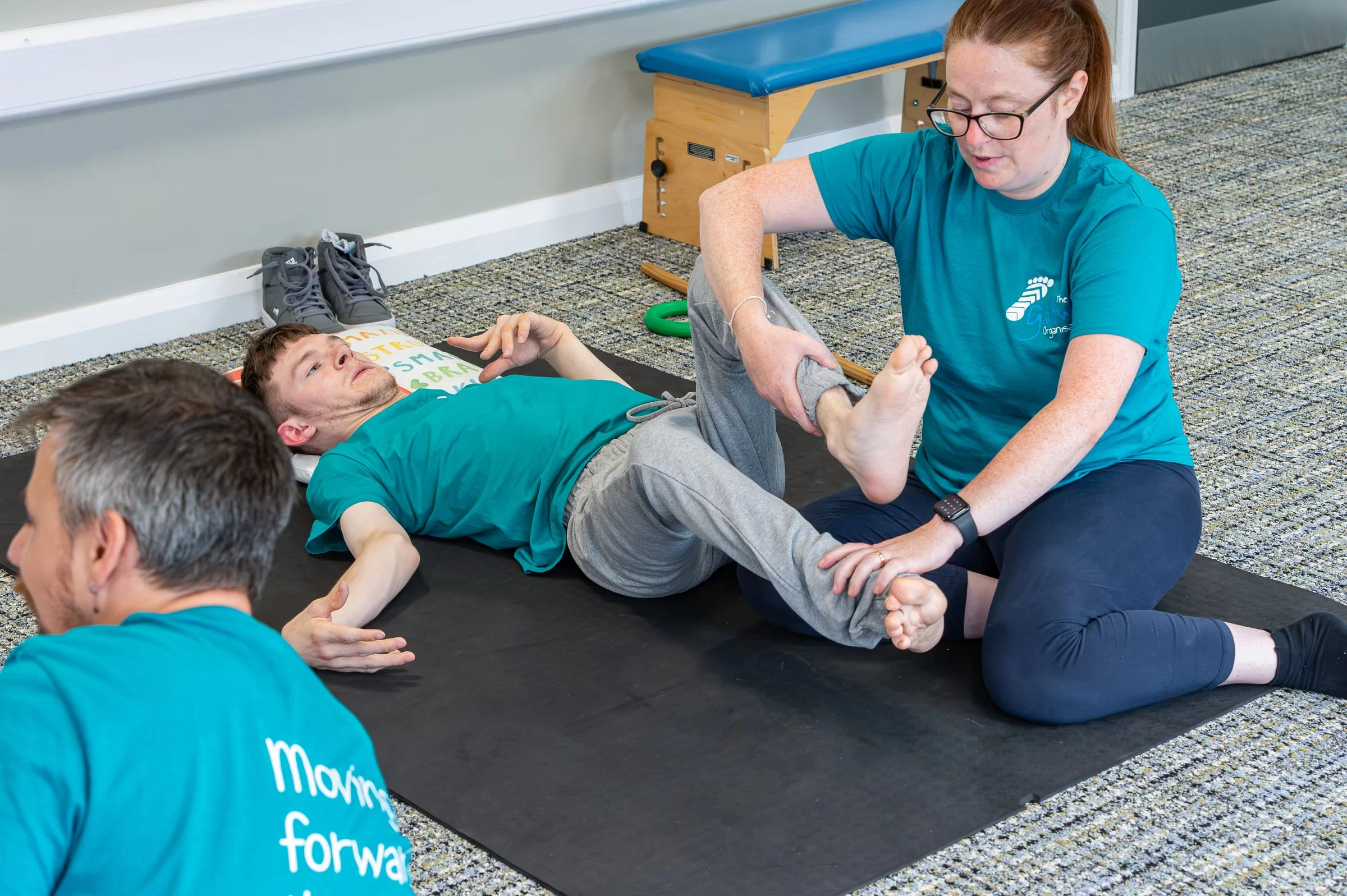
It is one of the two components of intensive neurological rehabilitation, the model at the heart of Gaitway. Our therapists use hands-on techniques and carefully chosen exercises, and combine this with Conductive Education so that children practise movements in the context of real, everyday goals — as a blended programme rather than two separate appointments.
What it might look like for your child
Sessions are tailored to your child. They might include strengthening exercises, practising standing or walking, work on balance and posture, stretches to maintain flexibility, and play-based activities that make therapy enjoyable. Therapists set clear goals with you and track progress over time.
What the research says
A systematic review of physiotherapy for school-aged children with cerebral palsy found strong evidence that targeted strength training improves muscle strength, with emerging evidence that functional training improves gross motor function, endurance and walking measures such as speed and stride length.1
A broader systematic review concluded that, while the quality of trials varies, there is evidence supporting physical therapy interventions for children with cerebral palsy — and that how therapy is delivered, and how consistently, matters to outcomes.2 This is why Gaitway focuses on regular, intensive programmes rather than occasional sessions.
Why it matters for families
Greater strength, balance and control can mean a child sits more comfortably, moves more freely, or takes steps towards walking. Small physical gains often open up big everyday wins — joining in at playtime, or managing more of their own daily routine.