What is cognitive therapy?
Cerebral palsy and other neurological conditions don’t only affect movement. Many children also find some thinking skills harder — things like concentrating, remembering instructions, planning a task, or switching between activities. These are often called executive functions.
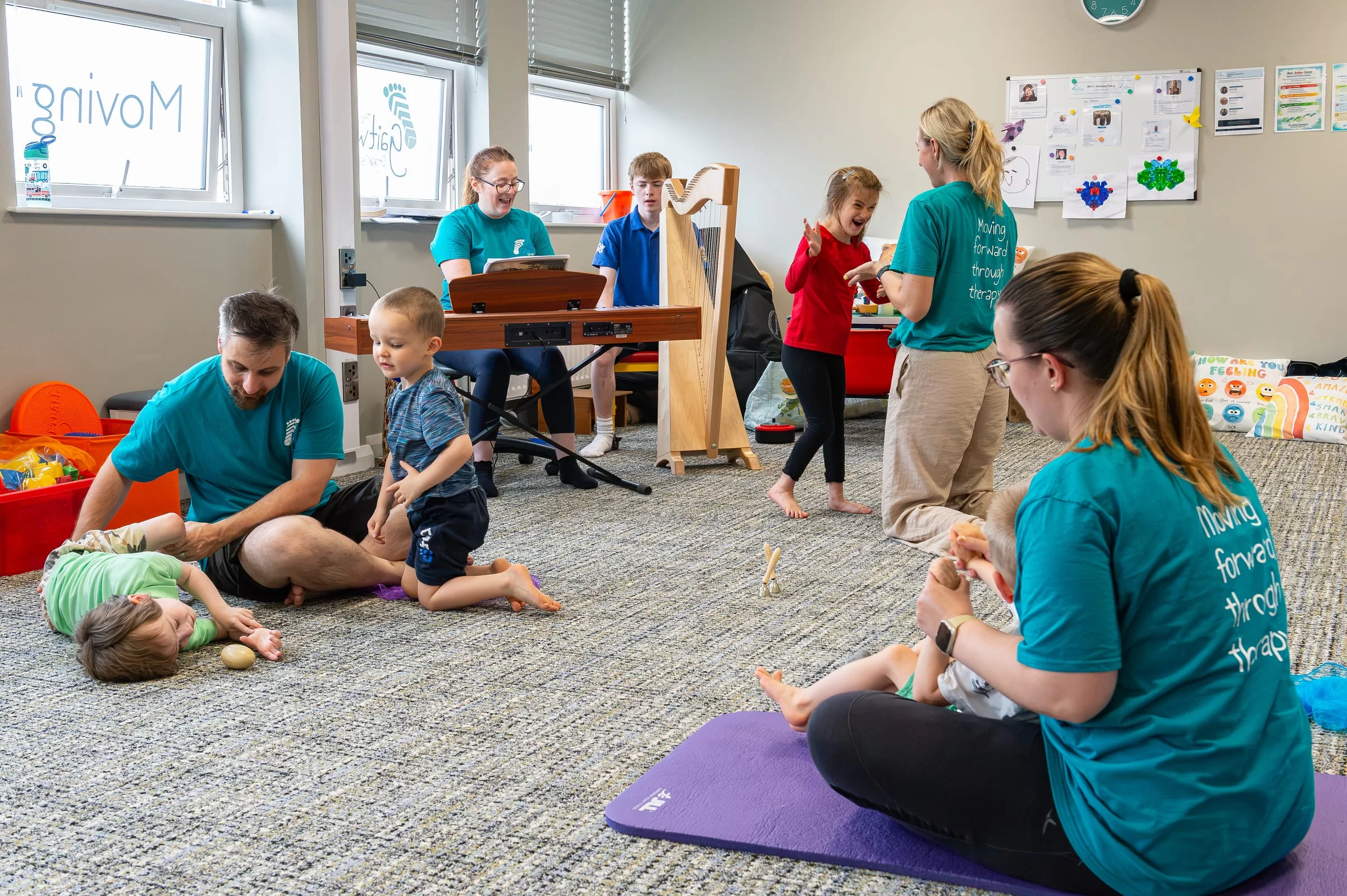
Cognitive therapy uses structured activities, games and exercises to help children practise and strengthen these skills. At Gaitway it sits alongside physical therapy, because thinking and moving develop together — learning to plan a movement is part of learning to make it.
What it might look like for your child
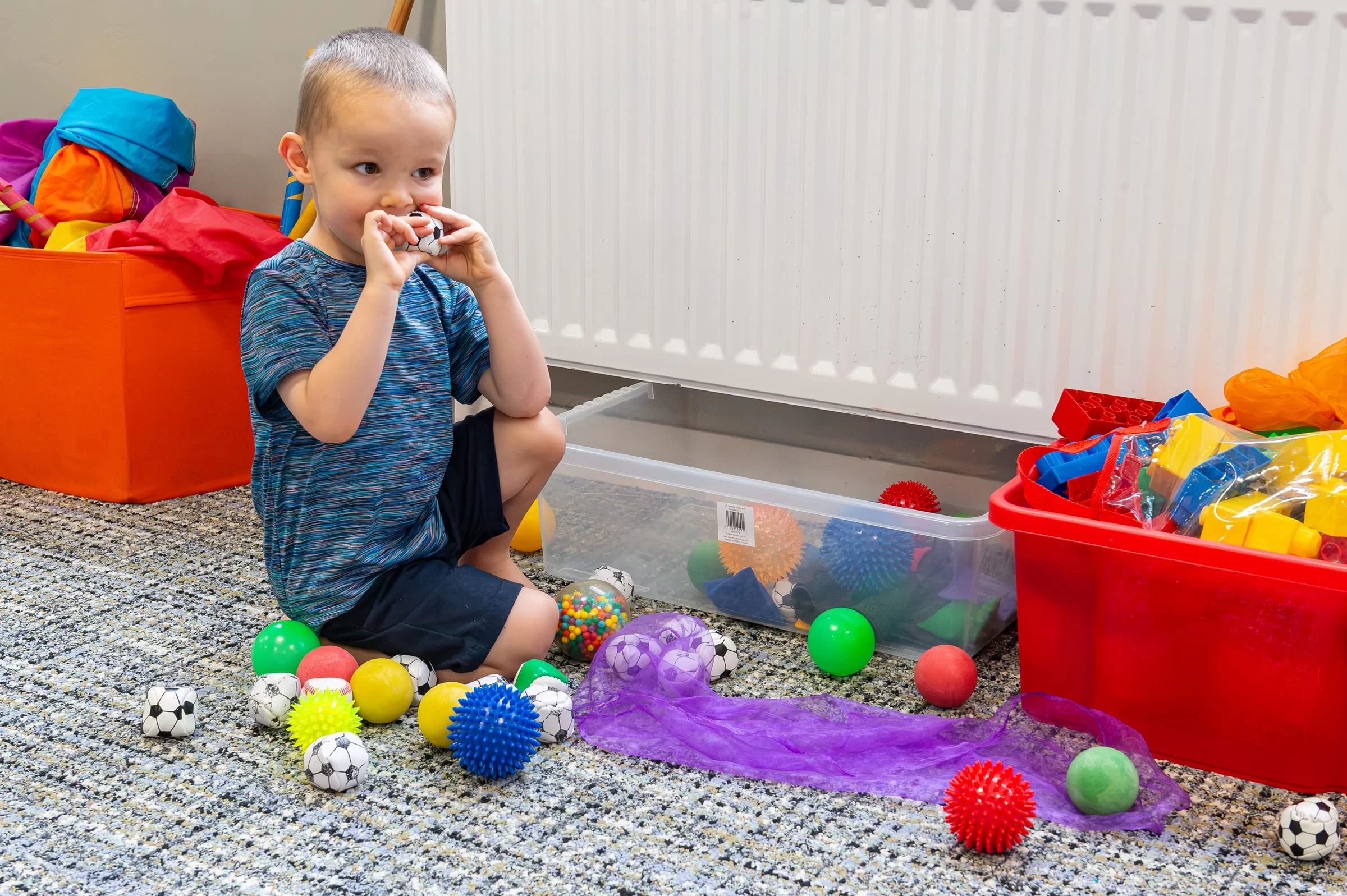
Sessions are designed to feel like play, not like a test. Depending on your child’s age and goals, activities might involve memory games, attention and listening tasks, problem-solving challenges, or guided computer-based exercises. The aim is steady, achievable progress that builds confidence as well as ability.
What the research says
Research in this area is growing. A 2023 systematic review found that cognitive, physical and combined (“multi-modal”) programmes can improve general thinking skills, visual perception and aspects of executive function in children with cerebral palsy.1 A randomised controlled trial in the same year reported that a structured, home-based programme improved core executive functions — working memory, inhibitory control and flexibility — though researchers note more work is needed to show how these gains carry into everyday life.2
Because Gaitway’s approach draws on Conductive Education, it’s worth noting that reviews of that method also report promising motor and functional outcomes, particularly when therapy is regular and intensive.3
Why it matters for families
Stronger attention, memory and planning can help a child follow routines at home, take part more fully at school, and grow in independence. Parents often notice the benefits in everyday moments — getting ready in the morning, or staying focused on a favourite activity.